November 15, 2026
Brick Deterioration Repair: Warning Signs You Should Not Ignore
By @knoxdwsn673
Brick is one of the most durable building materials available, and many homes and commercial buildings across Hawkesbury rely on it for structure, insulation, and curb appeal. But durability does not mean immunity. Over decades, moisture, temperature swings, drainage failures, and ageing mortar take a toll. Recognising the early warning signs of damage allows property owners to schedule brick deterioration repair before small issues become major structural problems and expensive rebuilds.
This guide explains the most important signs of brick deterioration, what causes them, how repairs are carried out, and how related building elements such as gutters, roofing, and ventilation influence the long-term health of your brickwork.
Why Brick Deteriorates Over Time
Bricks themselves are fired clay and can last well over a century. In most cases, it is the surrounding system that fails first: mortar joints, flashing, drainage, and sealing. Once water gets into the wall, the damage tends to accelerate.
Moisture and Freeze-Thaw Cycles
Water is the primary enemy of masonry. Brick is porous, and when absorbed water freezes and expands, it can force the face of the brick to flake away. In Hawkesbury's climate, with cold winters, spring thaws, and seasonal humidity, repeated cycles of wetting, freezing, and drying gradually weaken both brick and mortar. This process is a leading driver of the need for brick erosion control and brick wall weatherproofing.
Mortar Breakdown
Mortar is intentionally softer than the brick so it absorbs movement and wear. It is designed to be the sacrificial component, and it typically needs attention after 25 to 50 years, depending on exposure and original quality. When mortar erodes, water travels deeper into the wall, and the structure loses stability. This is why brick mortar restoration and brick repointing services are among the most common masonry repairs.
Building Movement and Settlement
Foundation shifts, soil changes, and thermal expansion all place stress on brickwork. Without properly functioning movement joints, walls can crack. Neglected joints often require brick expansion joint repair to prevent ongoing cracking.
Drainage and Roof Problems
Overflowing or leaking gutters, failed flashing, and roof leaks frequently saturate brick walls. Many cases of brick staining, efflorescence, and spalling trace back to water that was never directed away from the wall properly.
Warning Signs You Should Not Ignore
The following signs indicate that your brickwork needs a professional assessment. Catching them early typically means simpler, more affordable repairs.
- Crumbling or recessed mortar joints: If mortar is sandy, cracked, or recessed more than a quarter inch from the brick face, it is no longer protecting the wall.
- Spalling brick faces: Flaking, peeling, or popping-off of the outer brick surface signals trapped moisture and freeze-thaw damage.
- Stair-step cracks: Cracks following the mortar joints in a diagonal pattern often point to settlement or structural movement.
- White, powdery deposits (efflorescence): Salt deposits show that water is moving through the masonry and evaporating at the surface.
- Bulging or leaning walls: Any outward bowing is a serious structural concern requiring immediate evaluation.
- Loose or missing bricks: These create openings for water, pests, and further deterioration.
- Damp interior walls or peeling paint: Moisture showing up indoors often originates from compromised exterior brickwork.
- Moss, algae, or persistent dark staining: These indicate constant moisture, often from gutter overflow or poor drainage.
Understanding the Severity of Each Sign
Cosmetic or Early-Stage Issues
Minor surface staining, light efflorescence, and small hairline cracks in mortar can often be addressed with cleaning, sealing, and spot repairs. Applying a breathable sealer is one effective approach to brick durability enhancement, though sealing should only occur after the underlying moisture source has been corrected. Sealing a wall that is still taking on water can trap moisture inside and make spalling worse.
Moderate Damage
Widespread mortar loss, multiple spalled bricks, and localized water intrusion typically call for full brick joint repair and selective brick replacement. At this stage, a professional can grind out failing mortar, install new mortar that matches the original in strength and composition, and replace damaged units. Matching mortar is critical; using an overly hard Portland-heavy mix on older soft brick can cause the bricks themselves to crack and spall.
Severe or Structural Damage
Large diagonal cracks, bowing walls, and sections where bricks have separated from the structure require brick structural repair and potentially brick wall reconstruction. These cases need an assessment of the foundation, lintels, ties, and load paths, and in some situations an engineer's input. Delaying action here puts both safety and property value at risk.
Common Brick Repair Methods
Repointing and Mortar Replacement
Repointing involves removing deteriorated mortar to a consistent depth, usually about two to two-and-a-half times the joint width, then packing in fresh mortar. Quality brick mortar replacement depends on proper joint preparation, correct mortar type, and appropriate curing conditions. Rushed or shallow work will fail prematurely.
Brick Replacement and Facade Work
Where individual bricks are cracked or spalled, they are cut out and replaced with matching units. Brick facade repair may also include re-anchoring loose veneer, repairing lintels, and replacing rusted wall ties. Colour, size, and texture matching helps the repair blend with the existing wall.
Expansion Joint Maintenance
Large brick walls need flexible joints to accommodate expansion and contraction. When sealant in these joints dries out or is missing, cracking becomes likely. Replacing https://elliottaxcq784.valoradigest.com/posts/aluminum-gutter-repair-diy-fixes-vs-calling-a-pro sealant and clearing debris is a practical form of brick expansion joint repair that protects the entire wall.
Wall Rebuilds
When sections are beyond repair, rebuilding may be the most cost-effective long-term option. Proper brick wall reconstruction includes new footings where needed, correct tie spacing, weep holes, and flashing details that allow water to escape the wall cavity.
How Gutters, Roofs, and Ventilation Affect Brick Health
Masonry does not exist in isolation. A comprehensive wall repair plan should consider the systems around the wall, because many brick problems start elsewhere on the building.
Gutters and Drainage
Clogged, sagging, or leaking gutters send water directly down the brick face. Damaged gutter repair is often one of the most cost-effective ways to protect masonry. Whether your home uses aluminum or copper systems, regular upkeep matters. Aluminum gutter repair typically involves resealing seams, replacing damaged sections, and correcting slope, while copper gutter maintenance focuses on joint integrity, fastener condition, and keeping debris cleared. For larger properties, commercial gutter services and comprehensive drainage solutions manage the high water volumes from large roof areas. Many property owners also look to advanced gutter solutions such as properly sized downspouts, extensions, and leaf protection to keep walls dry.
Roofing
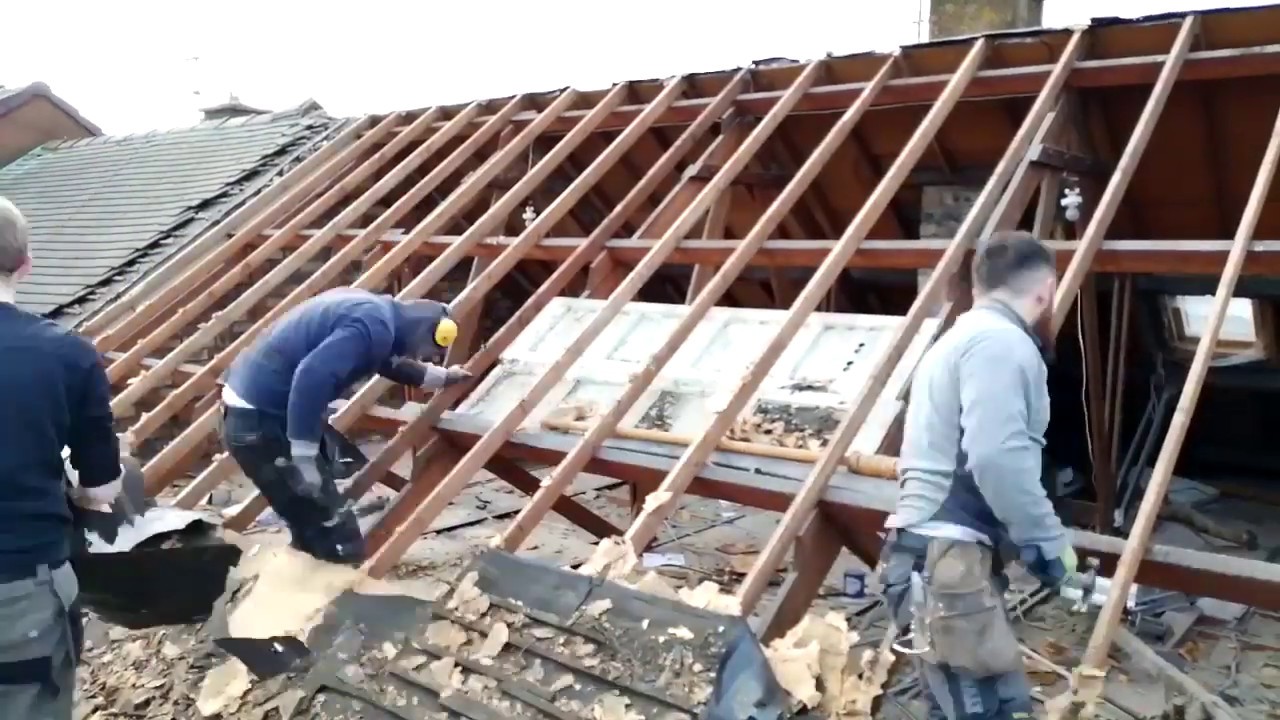
Roof edges, chimneys, and parapet walls are common entry points for water into brickwork. Failing flashing or worn roofing materials can let moisture run into masonry from above. Depending on your building, protecting the walls may involve advanced roof repair, asphalt shingle replacement, or cedar shake replacement. When roofs are near end of life, complete roofing replacement or comprehensive roof reroofing may be the better investment. Working with certified roof repair and certified roof reroofing professionals helps ensure flashing, drip edges, and wall transitions are handled correctly.
For businesses, commercial roofing, commercial roof repair, and commercial roof solutions address flat or low-slope roofs where parapet walls and brick copings are particularly vulnerable. A comprehensive roof maintenance program with regular inspections can detect leaks before they stain or damage masonry. Property owners may also consider comprehensive roof repair, comprehensive roof replacement, or complete roof installation as part of larger renovation planning.
Attic Ventilation and Heat Management
Poor ventilation can drive moisture and heat problems that indirectly affect exterior walls. Warm, humid air trapped in an attic can condense, leading to dampness that migrates into top-of-wall masonry and framing. Solutions such as attic ventilation installation and attic ventilation repair help balance airflow, while attic heat reduction and attic cooling methods reduce thermal stress on the building envelope. Advanced ventilation techniques, customized roof ventilation, and comprehensive roof venting keep intake and exhaust properly balanced. Brick also provides natural mass and brick thermal insulation benefits, which perform best when the wall stays dry and in good repair.
Painting and Sealing
Where brick has been painted, or where trim, soffits, and fascia meet the masonry, quality coatings and sealants are an important moisture barrier. Advanced painting techniques, complete painting sealing, and comprehensive painting sealing protect adjacent surfaces and joints. For larger buildings, commercial painting sealing and comprehensive sealing solutions help maintain a consistent weather barrier. Always use breathable products on brick, as non-breathable coatings can trap moisture and cause the face of the brick to peel.
Brick Wall Maintenance: Practical Tips for Hawkesbury Property Owners
Consistent brick wall maintenance extends the life of your masonry and reduces long-term costs. Consider the following annual routine:
- Inspect in spring and fall: Walk the perimeter and look for cracked mortar, loose bricks, staining, and vegetation growth.
- Clear gutters and downspouts: Make sure water discharges several feet from the foundation.
- Trim vegetation: Climbing vines and shrubs pressed against walls hold moisture and can pry into mortar joints.
- Check flashing and sealant: Pay attention to windows, doors, chimneys, and roof-wall intersections.
- Clean gently: Avoid high-pressure washing, which can erode mortar and damage the brick surface. Use low-pressure water and a soft brush.
- Schedule a professional assessment: Have a masonry specialist evaluate older buildings every few years, or sooner if you notice any warning signs.
When to Call a Professional
Small cosmetic repairs can sometimes be handled by a capable owner, but masonry work is skilled and often involves working at height. Contact a qualified contractor if you see stair-step cracks, bowing walls, widespread spalling, or recurring dampness. A professional can identify the root cause, whether that is drainage, roofing, movement, or ageing mortar, and recommend a repair plan that addresses the cause rather than just the symptoms.
When comparing contractors in Hawkesbury, ask about their experience with historic and modern masonry, the mortar mixes they use, whether they match existing brick and joint profiles, and how they handle related issues like gutters and flashing. A contractor who offers comprehensive services can coordinate masonry, roofing, drainage, and sealing so that the whole building envelope works together.
The Cost of Waiting
Repair costs tend to rise sharply the longer deterioration continues. A repointing project that might involve a few joints today can become a wall rebuild if water is allowed to freeze and thaw inside the masonry for several more winters. Moisture intrusion can also lead to mold, damaged insulation, rotted framing, and interior finish damage. Addressing problems early protects both your investment and the safety of the people inside the building.
Final Thoughts
Brick can last for generations when it is kept dry, properly supported, and maintained. Watching for crumbling mortar, spalling faces, cracks, efflorescence, and bulging walls gives you the chance to act before damage spreads. Pairing timely brick deterioration repair with good gutters, a sound roof, balanced ventilation, and breathable sealing creates a complete defence against the elements. If you have noticed any of the warning signs described above, arrange a professional inspection this season so that repairs can be planned and completed on your terms rather than in an emergency.
Top Hawkesbury Roofer
Bells Line of Rd, Kurmond NSW 2757, Australia
(02) 4503 4545
❧